“plug pot” search results (100)
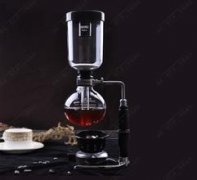
Appliances for making boutique coffee siphon pot plug air pot Siphon
Saifeng pot, invented by British technician Napier, uses the physical siphon phenomenon to make coffee, so it is also called siphon pot or vacuum pot. The use of the plug pot is simple: heat the lower pot with hot water, boil the water and put on the upper pot containing coffee powder. the hot water will enter the upper pot through a tube and mix with the coffee powder to extract the ingredients. Stop when the hot water is sucked into the pot.
2015-01-04 Production boutique coffee utensils siphon plug pot Siphon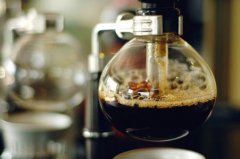
Siphon pot for brewing individual coffee, also known as plug pot.
Siphon pot, also known as plug wind pot. It is a classic coffee utensil, and it is also one of the commonly used utensils in cafes. It is used to produce individual coffee in many cafes. Because the coffee is mellow and tastier, I personally prefer the siphon pot. I think people who like to make their own coffee should know something about it, but how it works.
2015-04-03 Cooking sheet coffee utensils siphon also known as stopper also known as plug kettle is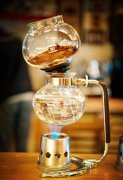
Siphon Pot using the tutorial plug Pot to make Coffee
The siphon coffee pot, also known as the plug Pot, is made by Scottish Navy engineer Robert Naiphir. It was invented in 1840. It is not difficult to make a cup of coffee with a siphon pot, mainly to pay attention to some details. Such as: visual inspection, temperature control and so on. This requires us to pay attention to what needs to be done in each link from the very beginning. There is a saying called detail decision.
2015-08-31 Siphon use tutorial plug Pot Coffee Operation flow siphon Coffee Pot and
The cooking method of siphon pot is also known as plug air pot and real pot.
Siphon (siphon) coffee pot, also known as plug air pot, real pot, uses the principle of siphon to make coffee. The cooking process is full of experimental drama, and the conditioning process is simple, but the boiled coffee has a special mellow degree and aroma, which can not be compared with the ground coffee brewed by machine. This method is especially suitable for tasting non-heavily roasted coffee. Step: 1Step to rainbow
2015-05-26 Siphon cooking called plug real siphon coffee maker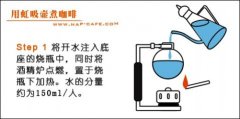
The cooking method of the siphon pot (Syphon) is also known as the plug pot.
The siphon pot (Syphon), also known as the plug pot, always seems to remind people of the utensils of chemical experiments. However, because they are all glass containers, the whole cooking process is clearly visible, which is an excellent brewing method with excellent visual effect. In terms of taste, it is also the favorite of some coffee lovers. At the same time, the whole brewing process will be filled with a very charming aroma of coffee. So, what are you waiting for? I'm coming.
2015-08-04 Siphon cooking Syphon also known as Saifeng pot siphon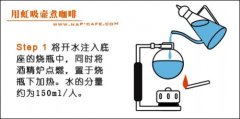
The cooking method of the siphon pot (Syphon) is also known as the plug pot.
The siphon pot (Syphon), also known as the plug pot, always seems to remind people of the utensils of chemical experiments. However, because they are all glass containers, the whole cooking process is clearly visible, which is an excellent brewing method with excellent visual effect. In terms of taste, it is also the favorite of some coffee lovers. At the same time, the whole brewing process will be filled with a very charming aroma of coffee. So, what are you waiting for? I'm coming.
2015-11-11 Siphon cooking Syphon also known as Saifeng pot siphon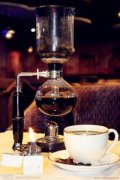
Siphon pot (Syphon) is also known as plug kettle.
The siphon pot (Syphon), also known as the plug pot, always seems to remind people of the utensils of chemical experiments. However, because they are all glass containers, the whole cooking process is clearly visible, which is an excellent brewing method with excellent visual effect. In terms of taste, it is also the favorite of some coffee lovers. At the same time, the whole brewing process will be filled with a very charming aroma of coffee. So, what are you waiting for? I'm coming.
2015-05-25 Siphon Syphon also known as Saifeng Pot siphon also known as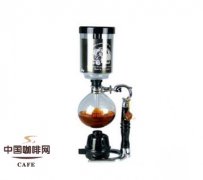
Techniques for making boutique Coffee how to use the plug Pot
Syphon, commonly known as "glass ball" or "siphon", is a simple and easy-to-use method of coffee brewing, and it is also one of the most popular coffee brewing methods in cafes. Although the Saifeng kettle has the alias of "siphon", it has nothing to do with the siphon principle, but uses water heating to produce water vapor, resulting in the principle of hot expansion and cold contraction, pushing the hot water from the lower sphere to the upper pot and waiting for the lower pot to cool.
2014-12-01 Boutique coffee production skills how to use plug kettle plug pot Syph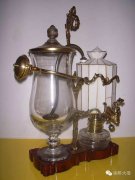
Belgian Royal Coffee Pot, also known as Vienna Royal Coffee Pot or balanced plug Pot
The Royal Belgian Coffee Pot, also known as the Viennese Royal Coffee Pot or balanced Coffee Pot (Balancing Siphon), is the royal coffee pot of European royals in the mid-19th century, invented by the British shipbuilder James Napier. It was already the royal coffee pot of Belgium as early as the 19th century. In order to show the royal style, Belgian craftsmen took great pains to create
2016-05-27 Belgium Royal Coffee Pot aka Vienna balance plug Air Pot
How to use the plug kettle?
Syphon, commonly known as "glass ball" or "siphon", is a simple and easy-to-use method of coffee brewing, and it is also one of the most popular coffee brewing methods in cafes. Although the Saifeng kettle has the alias of "siphon", it has nothing to do with the siphon principle, but uses water heating to produce water vapor, resulting in the principle of hot expansion and cold contraction, pushing the hot water from the lower sphere to the upper pot and waiting for the lower pot to cool.
2014-08-11 Coffee knowledge wind stopper coffee encyclopedia
Basic knowledge of siphon Pot how to use plug Pot
Syphon, commonly known as "glass ball" or "siphon", is a simple and easy-to-use method of coffee brewing, and it is also one of the most popular coffee brewing methods in cafes. Although the Saifeng kettle has the alias of "siphon", it has nothing to do with the siphon principle, but uses water heating to produce water vapor, resulting in the principle of hot expansion and cold contraction, pushing the hot water from the lower sphere to the upper pot and waiting for the lower pot to cool.
2015-03-09 Siphon basics common sense how to use plug kettle
26 points for attention in brewing coffee in plug-wind pot
1. The next bottle should be dried and there should be no water droplets. When you pull out the upper seat, tilt to the right and pull straight up, do not break 3. The spring under the middle filter should be tightened, the hook should be hooked, and pulled to the center 4. When you plug in the seat, plug it down and hold it tight by 5. Pay attention to water quality: pure water, purified water, magnetized water, distilled water, do not use mineral water 6. The temperature is 80-90 degrees Celsius in this room. Punch time: all 50: 60
2015-05-27 Plug the wind pot boiled coffee 26 points for attention 1. Under dry can have water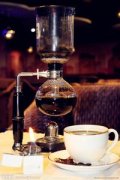
How to use the plug wind kettle the steps of using the siphon pot
Syphon, commonly known as "glass ball" or "siphon", is a simple and easy-to-use method of coffee brewing, and it is also one of the most popular coffee brewing methods in cafes. Although the Saifeng kettle has the alias of "siphon", it has nothing to do with the siphon principle, but uses water heating to produce water vapor, resulting in the principle of hot expansion and cold contraction, pushing the hot water from the lower sphere to the upper pot and waiting for the lower pot to cool.
2015-04-28 How to use plug siphon step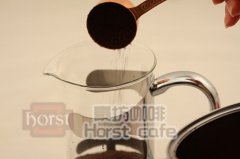
How to use a pressure pot to make coffee
The French pressure pot seems simple, and it can also make a perfect cup of coffee.
2014-07-18 Coffee knowledge coffee making French presser
Siphon pot brewing coffee skills and methods plug pot brewing coffee skills
(1) Siphon pot brewing method Siphon pot brewing method is also called plug air pot, which uses the principle of physical siphon to drive hot water to rise to filter coffee, aroma overflowing. Looking at the boiling liquid rising in the glass tube sometimes gave people the illusion of being in a laboratory! Therefore, many people always like to sit at the bar of the cafe, just to enjoy the glass pot tube, water and water.
2015-10-21 siphon pot flush coffee tips methods cork pot
Fine Coffee to make siphon Coffee (plug-in method)
In 1840, a glass test tube in a laboratory triggered the invention of the siphon coffee maker (Syphon). The British took the test tube used in Biya's chemical experiment as a model to create the first vacuum coffee pot. Two years later, Mrs. Bachang of France improved the kettle with a little spring in shape, and the familiar upper and lower convection siphon pot was born. Siphon coffee pot in France
2015-01-21 Boutique coffee production siphon plug cooking 1840 one laboratory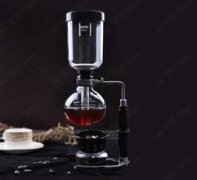
Siphon coffee maker (Syphon) is also known as plug pot.
Siphon coffee pot, also known as Syphon. It was developed by Robert, an engineer of the Scottish Navy. Robert Napier invented it in 1840. Although the siphon coffee pot is called the siphon pot, it has nothing to do with the siphon principle. Instead, it uses water heating to produce water vapor, which causes the principle of hot expansion and cold contraction. It pushes the hot water from the lower seat to the upper pot, and produces negative after the next pot cools.
2015-04-23 Siphon coffee pot Syphon called plug wind pot siphon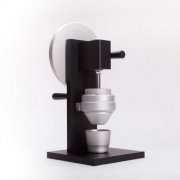
Siphon pot, commonly known as air stopper or siphon type, is a simple and easy-to-use way to brew coffee.
Siphon brewing siphon pot (Syphon), commonly known as plug-air pot or siphon, is a simple and easy-to-use method of coffee brewing, and it is also one of the most popular coffee brewing methods in cafes. Although the siphon pot has the nickname of "plug wind type", it has nothing to do with the siphon principle, but uses the water heating to produce water vapor, which causes the principle of thermal expansion and cold contraction, and pushes the hot water from the lower sphere to the upper pot.
2016-05-27 Siphon commonly known as plug wind pot simple good use coffee brewing method siphon
Siphon
The plug pot, invented by the British technician Napier, uses the siphon phenomenon in physics to brew coffee, so it is also called a siphon pot or a vacuum pot. The use of the plug pot is very simple: put hot water into the lower pot to heat, after the water boils, put the upper pot containing coffee powder, hot water will enter the upper pot through the pipe and mix with coffee powder to extract the ingredients. Stop when all the hot water has been sucked into the kettle
2014-09-16 Stopper Coffee Maker Coffee Encyclopedia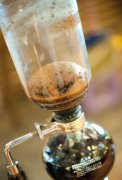
Coffee pot operation chemical experiment siphon pot plug wind pot making
It is very important to choose a coffee pot that suits you. Although the siphon pot is troublesome to use and clean, it is definitely one of the must-have coffee utensils for coffee enthusiasts. Syphon pot, also known as plug pot, is invented by the British, Japan improved and carried forward a coffee utensils. Before the invention of the Italian coffee machine, siphon pots were widely used in Europe, but with Italy
2015-08-06 coffee pot operation chemical experiments siphon pot stopper kettle making selection one